Severe Drain Fly Infestation in NW7 London – Blocked Sewer & Displaced Drainage Pipes
Rapid Drainage and Plumbing Ltd recently attended a property in NW7, North West London, following a severe drain fly infestation. Our investigation uncovered a heavily blocked main sewer with numerous displaced pipe joints and evidence suggesting possible ground movement.
We Don't Just Treat Drain Flies – We Investigate the Drainage Problems Behind Them.
Drainage Specialists Across London
NADC MEMBER
SAFECONTRACTOR APPROVED

CHECKATRADE

WRC APPROVED CONTRACTOR
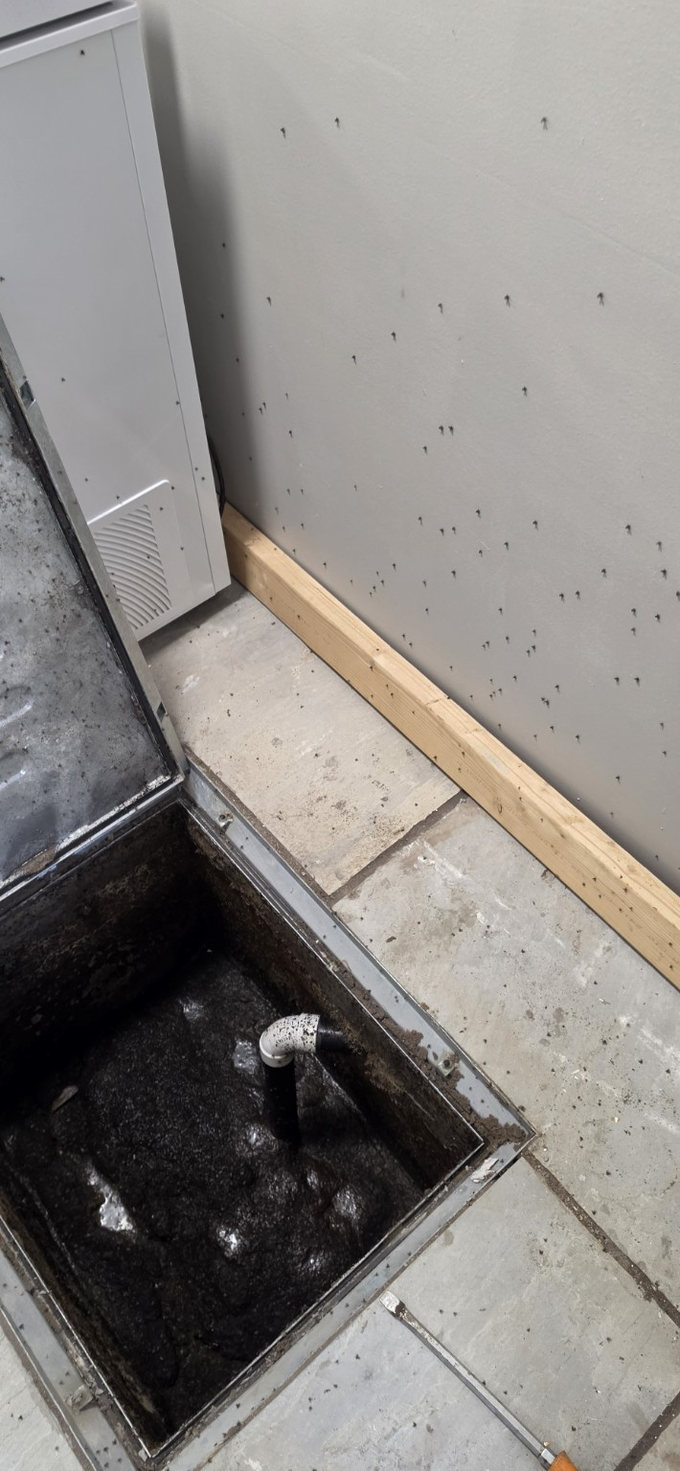
Severe Main Sewer Blockage Discovered During Drain Fly Investigation in NW7
During our recent attendance at a property in NW7, North West London, Rapid Drainage and Plumbing Ltd discovered a severe blockage affecting the main underground foul drainage system.
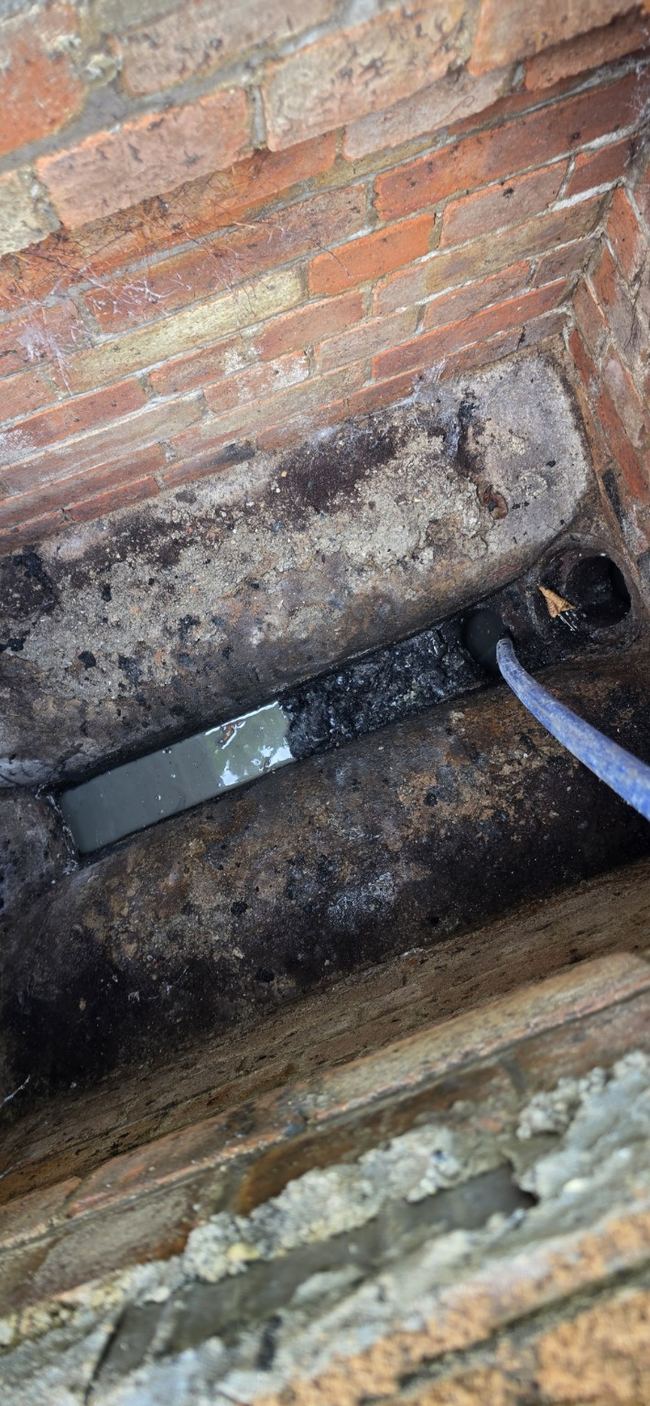
The inspection chambers contained substantial accumulations of sewage waste, organic debris and stagnant foul water, creating conditions that may have contributed to the significant drain fly infestation observed inside the property.
Multiple Displaced Pipe Joints Identified
Further investigation of the main sewer revealed numerous displaced pipe joints, commonly known as lipped joints, along the underground drainage run.
These raised edges can catch toilet paper, sewage solids and other waste, gradually restricting the flow and eventually causing serious blockages.
The number of displaced joints raises concerns about possible ground movement or settlement beneath the property, which may have caused sections of the underground pipework to move out of alignment.
Why Simply Unblocking the Drain May Not Solve the Problem
Although high-pressure water jetting can remove accumulated waste and restore drainage flow, existing structural defects may allow further blockages to develop.
Where displaced joints are responsible for recurring drainage problems, a detailed CCTV drain survey is essential to establish the extent of the damage and determine whether targeted structural repairs are required.
At Rapid Drainage and Plumbing Ltd, we investigate the underlying causes of blocked drains and persistent drain fly infestations, rather than simply treating the visible symptoms.
Cement Contamination and Severe Waste Accumulation Inside the Main Sewer
During our drainage investigation in NW7, we discovered significant accumulations of sewage waste and cement material within the underground drainage system.
The presence of cement was particularly concerning, as hardened building materials can restrict the internal diameter of drainage pipes and contribute to persistent blockages.
Our investigation also identified numerous displaced pipe joints along the main sewer, creating raised edges capable of trapping waste and restricting the natural flow of sewage.
We suspect that ground settlement may have contributed to the displacement of these joints, although the precise cause requires further assessment.
This case highlights why persistent drain fly infestations should not be ignored. In some circumstances, they may be associated with serious underlying drainage problems that require specialist investigation.
Drain Fly Infestations in London – Why Underground Drainage Problems Should Be Investigated
Drain flies are a common nuisance in residential and commercial properties throughout London. However, persistent or unusually large infestations may indicate an underlying drainage problem that requires professional investigation.
At Rapid Drainage and Plumbing Ltd, we regularly investigate underground drainage systems affected by blockages, accumulated sewage waste, damaged pipe joints and structural defects.
Our recent investigation in NW7, North West London, demonstrated how a significant drain fly infestation can occur alongside serious underground drainage problems.
During this attendance, we encountered heavy sewage deposits, cement contamination and numerous displaced pipe joints within the main foul sewer.
These findings raised concerns about restricted drainage flow and possible ground settlement affecting the underground pipework.
What Causes Drain Flies to Appear Around Drains?
Drain flies, sometimes called sewer flies or moth flies, are small flying insects commonly associated with damp conditions and decomposing organic material.
Their larvae develop within moist organic deposits, which may accumulate in drainage systems, gullies, traps and other areas containing stagnant water.
Potential breeding environments include:
- Blocked underground sewage pipes containing organic waste.
- Poorly maintained inspection chambers and drainage channels.
- Kitchen gullies containing grease, food waste and sludge.
- Damaged drainage pipes where sewage is escaping.
- Disused pipework containing stagnant water.
- Poorly maintained floor drains and drainage traps.
When large numbers of drain flies repeatedly appear around an inspection chamber, bathroom, kitchen or basement, investigating the drainage system may help identify a possible breeding source.
However, the presence of drain flies does not automatically mean that an underground sewer is damaged. Other damp areas and internal plumbing deposits must also be considered.
Can Displaced Drainage Pipes Cause Recurring Sewer Blockages?
Yes. Displaced pipe joints are a recognised cause of recurring underground drainage problems.
A displaced joint occurs when adjoining sections of drainage pipe are no longer correctly aligned.
This can create a raised edge or lip within the pipe, interrupting the smooth passage of wastewater and sewage solids.
Over time, toilet paper, grease, sediment and other material may become trapped against these irregularities.
As waste continues to accumulate, the effective diameter of the pipe can become restricted, eventually causing partial or complete blockage.
During our NW7 investigation, numerous lipped joints were identified along the main foul drainage system.
The extent of the displacement suggested that movement or settlement of the surrounding ground could be a contributing factor.
Can Ground Movement Damage Underground Sewers?
Underground drainage pipes depend on appropriate bedding, support and ground conditions to maintain their alignment.
Ground settlement, changes in soil moisture, inadequate backfilling and movement around foundations can contribute to drainage defects.
Potential warning signs include:
- Repeated drain blockages despite previous cleaning.
- Multiple displaced joints identified during CCTV inspection.
- Cracked or fractured underground drainage pipes.
- Localised settlement around drainage chambers.
- Sections of pipe holding water due to changes in gradient.
- Unexpected movement or cracking around paved areas.
The presence of several displaced joints can justify further investigation, although CCTV findings alone may not establish the precise cause of the movement.
At Rapid Drainage and Plumbing Ltd, we use specialist CCTV equipment to identify and record structural defects and help determine suitable repair options.
Cement and Building Material Contamination in Underground Drains
Another concern identified during our NW7 attendance was the presence of cement material within the drainage system.
Cement, mortar and other construction materials can cause significant drainage problems when introduced into underground pipework.
Depending on the material's condition, deposits may settle within the pipe or harden against the internal surface.
These deposits can restrict wastewater flow and provide additional locations where sewage solids accumulate.
Where hardened deposits are present, specialist mechanical cleaning or descaling equipment may be required.
A CCTV inspection following cleaning can help determine whether the drainage system has underlying structural defects that were previously concealed by accumulated waste.
Why Drain Cleaning Alone May Not Prevent Another Blockage
High-pressure water jetting is an effective method of removing many common sewer obstructions, including sewage deposits, grease and accumulated debris.
However, cleaning a drainage system does not automatically correct structural problems such as displaced joints, fractures or pipe deformation.
If substantial lips remain inside the sewer, further waste may become trapped over time.
Depending on the extent and condition of the defects, permanent solutions may include targeted structural patch repairs, localised excavation or replacement of damaged drainage sections.
A suitable repair recommendation should always be based on the actual condition of the pipework and the findings of a detailed drainage inspection.
Professional CCTV Drain Surveys for Persistent Drain Fly Problems
Where a drain fly infestation persists despite normal cleaning and pest treatment, a detailed investigation of the drainage system may be appropriate.
A specialist CCTV drain survey can help identify:
- Severe underground sewer blockages.
- Displaced and misaligned drainage joints.
- Cracked or fractured pipes.
- Root intrusion and associated defects.
- Heavy deposits and restrictions within the pipework.
- Standing water caused by poor drainage gradients.
- Potential structural defects requiring further investigation.
At Rapid Drainage and Plumbing Ltd, our drainage investigations are carried out using professional CCTV equipment, with reporting informed by MSCC5 drain survey standards where applicable.
Our objective is to identify the drainage condition, explain the findings clearly and recommend proportionate remedial work where necessary.
Drain Fly Investigation and Drainage Repairs in NW7 and Across London
Rapid Drainage and Plumbing Ltd provides specialist drainage investigations throughout North West London and surrounding areas.
We work across Mill Hill NW7, Hampstead, Highgate, Hendon and other parts of Greater London, investigating persistent drain fly activity, underground sewer blockages and damaged drainage systems.
Our services include high-pressure water jetting, CCTV drain surveys, mechanical drain descaling, structural patch repairs and investigations into suspected ground movement affecting drains.
Whether you are experiencing repeated sewer blockages, unexplained drainage odours or persistent drain flies inside your property, our team can investigate possible underlying drainage defects.
Call Rapid Drainage and Plumbing Ltd on 0207 101 4142 to arrange a specialist drainage investigation.
Frequently Asked Questions About Drain Flies and Blocked Sewers
1. Why do I suddenly have hundreds of drain flies in my property?
A sudden increase in drain flies may indicate that suitable breeding conditions have developed nearby. Accumulated organic waste, stagnant water and damp drainage deposits can support drain fly larvae. A professional investigation can help establish whether the drainage system is contributing to the infestation.
2. Can a blocked sewer cause a drain fly infestation?
Yes. A blocked sewer containing stagnant wastewater and decomposing organic material can provide suitable conditions for drain fly breeding. However, confirming the breeding source is essential, as drain flies can also develop in other damp areas.
3. Will high-pressure drain jetting get rid of drain flies?
High-pressure jetting can remove organic deposits and blockages that may provide suitable breeding material. However, it does not guarantee elimination of an infestation, particularly if other breeding sites or structural drainage problems remain.
4. Can drain flies come through damaged underground pipes?
Drain flies may move through openings associated with defective pipework, poorly sealed drainage connections or other accessible drainage routes. A CCTV investigation can help identify structural defects, although the actual route of insect entry may require additional investigation.
5. What are lipped joints in an underground sewer?
Lipped joints occur when adjoining drainage pipes become misaligned, creating a raised edge inside the sewer. These edges can catch sewage waste and toilet paper, increasing the risk of repeated blockages.
6. Can ground movement cause drain blockages?
Yes. Ground settlement or movement can affect underground drainage pipes, potentially causing displaced joints, fractures or changes in pipe gradient. However, the cause must be assessed rather than assumed from a blockage alone.
7. Can cement inside a drainage pipe cause serious problems?
Yes. Cement and mortar contamination can restrict drainage flow, particularly if material hardens inside the pipe. Specialist cleaning methods may be necessary depending on the extent and hardness of the deposits.
8. Do I need a CCTV drain survey if my drains keep blocking?
A CCTV survey is often advisable when blockages repeatedly return. It allows a drainage specialist to assess the internal condition of the sewer and identify defects that cannot be confirmed through surface inspection alone.
9. Can displaced drainage joints be repaired without excavation?
Some localised defects can be repaired using specialist no-dig structural patch repairs, depending on the pipe condition, severity of displacement and available access. More substantial movement may require excavation and replacement of affected sections.
10. Do drain flies mean there is a sewage leak underneath my property?
Not necessarily. Drain flies may breed in ordinary organic deposits within plumbing fixtures or drainage systems. However, persistent infestations combined with sewage odours, damp conditions or recurring blockages can justify investigation for potential underground drainage defects.
11. How do I permanently resolve recurring drain fly problems?
The most effective approach is to identify and address the breeding source. This may involve removing accumulated organic deposits, correcting drainage defects, improving maintenance or addressing other damp areas. Treating adult flies alone may not prevent further breeding.
12. Do you investigate drain flies throughout London?
Yes. Rapid Drainage and Plumbing Ltd provides specialist drainage investigations across London, including NW7, North London, West London, Central London and South West London.
We investigate blocked drains, displaced pipe joints, sewage accumulation and potential underground drainage defects that may be associated with persistent drain fly activity.
Concerned About Drain Flies or Repeated Drain Blockages?
A recurring drain fly infestation could be associated with a drainage problem that is not visible from the surface.
Rapid Drainage and Plumbing Ltd combines professional drainage cleaning, CCTV inspection and specialist structural repair experience to help identify and address underground sewer problems.
For expert drain fly and blocked sewer investigations in London, call 0207 101 4142.
OUR CUSTOMERS
TRUSTED ACROSS LONDON

Drain Repairs →
No-Dig Drain Repairs →
Drain Excavations →
Root Cutting & Descaling →
Commercial Drainage →
PLUMBING
Emergency Plumbing →
Leaks & Burst Pipes →
Toilets & Bathrooms →
Cylinders & Unvented Systems →
Pumps & Sump Systems →
Powerflushing →
Pipework & Installations →
Heating Repairs →
General Plumbing Repairs →
SPECIALIST
Build Over Agreements →
Drain Mapping & Tracing →
Pre-purchase Septic Tank survey surrey
Complex Drain Excavations →
Water Main Installation →
Sump & Basement Pumps →
Treatment Plants & Septic Tanks →
Rodent Investigation & Prevention →
Commercial & Specialist Surveys →
AREAS
Ealing →
Chiswick →
Brentford →
Fulham →
Kensington →
Chelsea →
Richmond →
Kew →
Twickenham →
Putney →
Wimbledon →
Battersea →
Westminster →
Mayfair →
Highbury N6→
View All Areas →
RAPID
About Us →
Recent Work →
Areas We Cover →
Privacy Policy →
Cookie Policy →
Complaints Procedure →
Cancellation & Refund Policy →
Payment Terms →
Accessibility →
© 2026 Rapid Drainage & Plumbing Ltd • 24/7 Emergency Response • London & Home Counties